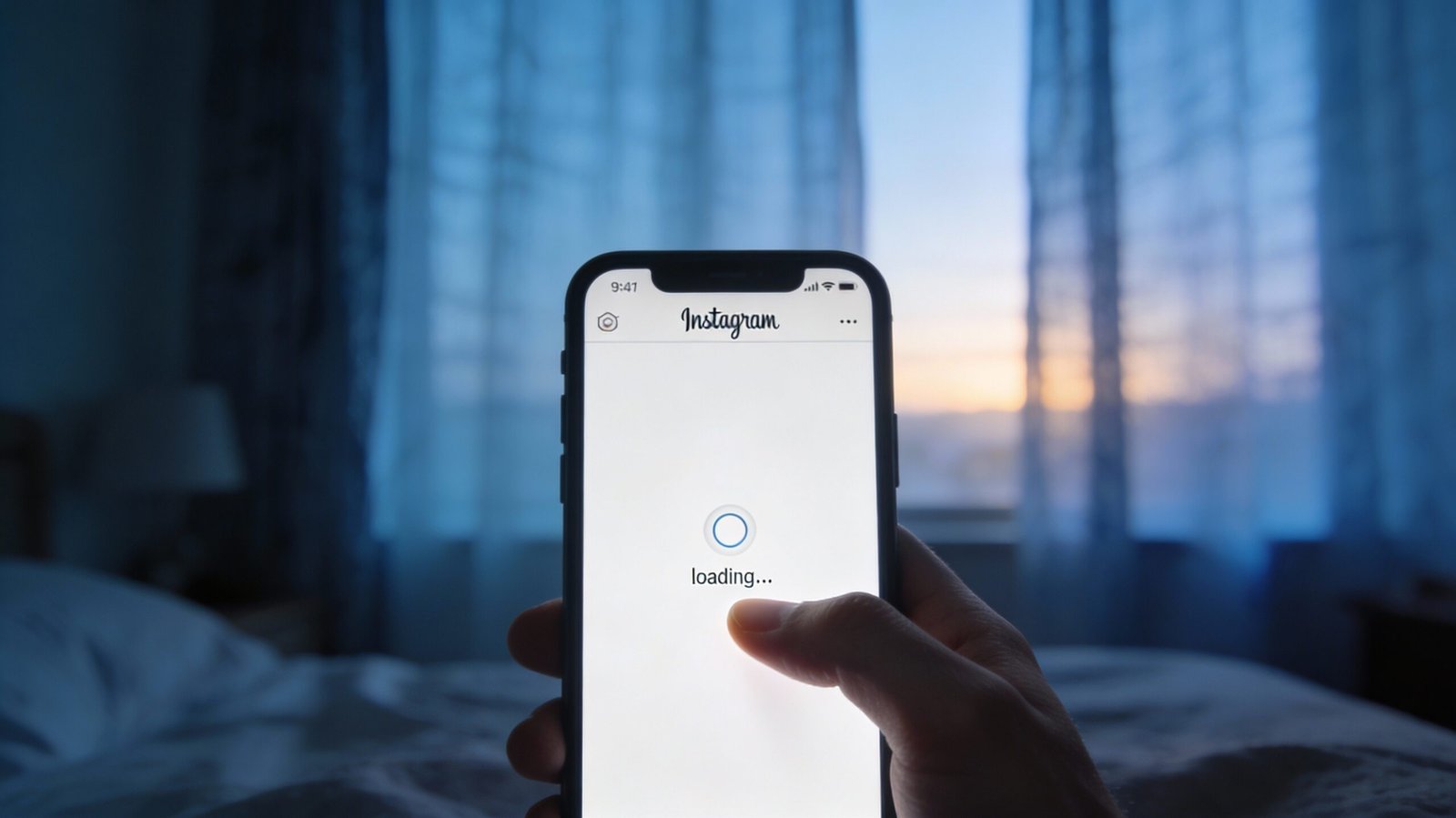
Picture this: you wake up, open Instagram on autopilot…and it just doesn’t load.
No stories, no Reels, no “Tap to shop.” Silence.
Some “It brands” would panic.
But a few old souls in cashmere boardrooms would probably shrug, sip their espresso, and say, “We’ve seen worse.”
I wanted to play with that scenario and ask: which luxury brands would actually survive a post-Instagram world—and why?
Brands Built Before The Algorithm
The easiest survivors are the ones that existed long before social media or even modern advertising.
- Heritage maisons like Chanel, Hermès, and Cartier have spent decades (or over a century) building equity through craftsmanship, private clienteling, and physical retail—long before anyone cared about follower counts
- Their real asset is a global base of repeat, high-spending clients whose relationships run through boutiques, private salons, and sales associates, not DMs and Mentions.
- For these brands, Instagram is a loudspeaker, not life support; their core demand is driven by culture, history, and word-of-mouth among elites.
If the app vanished, your favourite SA at Rue Cambon or Madison Avenue would still text, call, and invite clients to private previews like nothing happened.
The Offline-First Flex: Bottega Veneta
We already have one luxury case study that basically did a “test run” of life without social: Bottega Veneta.
- In 2021, Bottega famously deleted all its social media accounts and yet remained one of the hottest luxury brands globally.
- Instead of daily posts, the brand doubled down on strong product, high-fashion shows, and old-school PR, letting fan-run pages and media do the amplification organically.
- The silence actually became a flex—absence turned into intrigue, reinforcing its quiet luxury positioning and sense of “if you know, you know.”
In other words, Bottega proved that if your brand codes are strong enough, the internet will talk about you even when you’re not talking about yourself.
Email Lists, WhatsApp Chats, And Secret Universes
The less glamorous truth is that the most powerful luxury channels today aren’t always public.
- Many top maisons use CRM systems to track what you buy, where you buy, and what you love, then follow up with ultra-personal invitations, recommendations, and events—often via WhatsApp, email, or direct calls.
- VIPs get early access, private store appointments, and trunk shows long before anything “drops” online.
- Some brands even connect your purchase history across cities—buy a scarf in Paris, and a boutique in Tokyo might later ping you with a piece that matches it perfectly.
Those pipelines don’t vanish with Instagram—they’re owned, private, and deeply sticky. If anything, losing social would push brands back to this high-touch, human model that luxury was always meant to be.
Who Would Struggle The Most?
Of course, not everyone escapes the blackout gracefully.
- Newer or mid-tier “status” brands that rely heavily on influencer seeding, viral Reels, and algorithmic discovery would feel real pain.
- Research already shows that luxury brands trying to play with “scarce” social posting (low content volume to look exclusive) can actually damage consumer interest and perceived exclusivity—especially if they’re not very familiar names yet.
- Translate that to no Instagram, and you see the risk: if your brand isn’t yet embedded in culture, retail, or relationships, going quiet doesn’t look exclusive—it just looks invisible.
In simple terms: if your brand is famous because of Instagram, not just on Instagram, you’re in trouble.
So, Would Luxury Actually Be…Better?
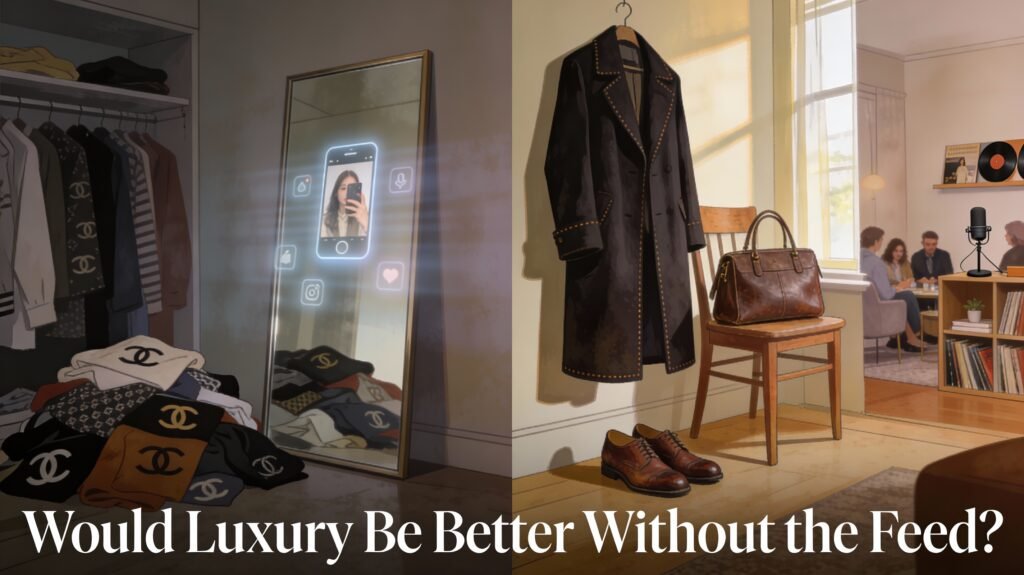
Part of me feels that if Instagram disappeared, luxury might become a bit more luxury again.
- Fewer “must-buy” pieces chosen for how they photograph in a mirror selfie, more pieces chosen for how they feel, age, and live in someone’s wardrobe.
- Fewer short-term collection hypes, more focus on craftsmanship, service, and long-term client value.
- Less chasing the algorithm, more building communities through salons, podcasts, intimate events, and offline word-of-mouth.
The brands that would survive are the ones already doing this quietly in the background.
Your Turn: Would Your Favourite Brand Survive?
Now I’m curious—if Instagram actually went dark tomorrow:
- Which three luxury brands do you think would sail through it without blinking?
- Which ones do you secretly feel exist more for the feed than for real life?
- And if you have your own brand (or dream of starting one), what’s the one non-Instagram channel you’d invest in first?
Tell me what you think—I’d love to hear your hot takes on who’s built for the grid and who’s built for the long run.